

Private‑label rice packaging decisions cover bag material, weight format, labelling compliance and branding specifications. Each choice changes cost, shelf appeal and regulatory approval in the destination market. Importers should finish packaging specifications, such as minimum order quantity, printing method and certification requirements before a basmati rice manufacturer starts production. Late changes delay shipment. Add rework costs.
Packaging rarely receives the focus as grain quality during supplier negotiations. Yet packaging shapes how a product shows on a shelf just as much as grain length or aroma. For private‑label brands and distributors sourcing basmati rice from India packaging is often the source of delays in first‑time import projects. The delays are not because the rice fails to meet specifications. Because packaging details were decided too late or were unclear.
Why Does Packaging Need to Be Finalized Before Production Begins?
Rice packaging is not a step that comes after milling. Size, material and print specifications often decide how the rice is portioned, sealed and palletized during the final processing stage. Changing a packaging decision after production has started usually means re‑running part of the batch. That adds cost and pushes back the shipment date.
For private‑label orders packaging carries branding requirements that generic bulk orders do not. A supermarket chain or food distributor launching its rice brand needs label artwork, country‑of‑origin declarations and nutritional information approved before any bag is filled. Settling these details early keeps the production timeline predictable.
What Packaging Formats Are Available for Bulk and Retail Rice Orders?
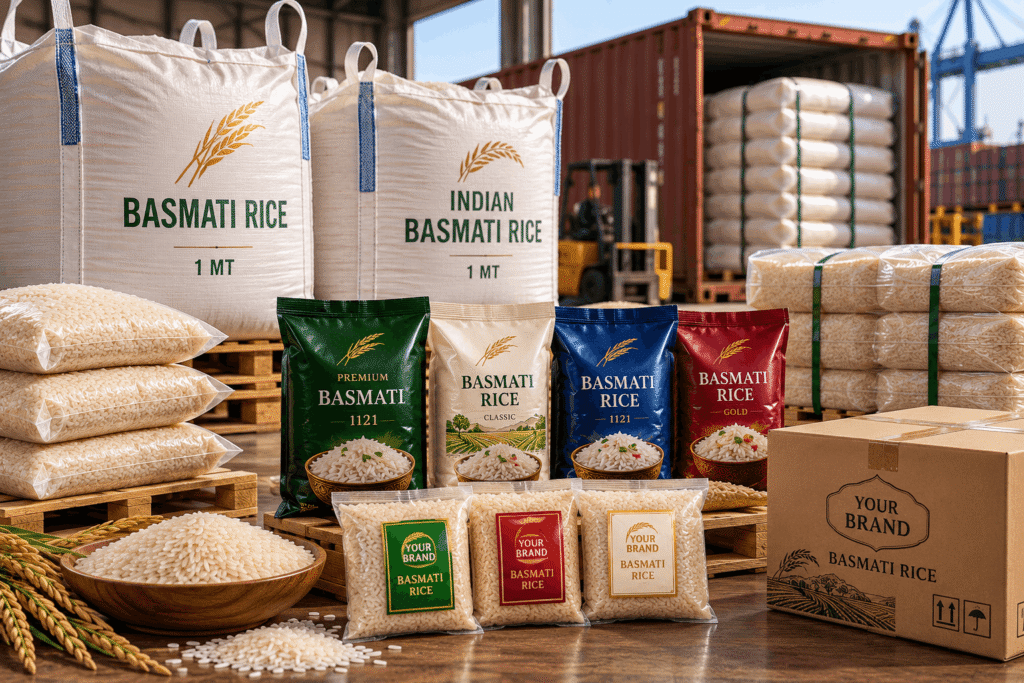
Basmati rice exporters usually offer packaging formats depending on the buyers distribution channel.
• Bulk sacks (25 kg–50 kg). Used for food service, hospitality and repackaging by the buyer. Common materials are woven polypropylene (PP) bags, with an inner liner for moisture protection.
• Retail‑ready bags (1 kg–10 kg). Used for supermarket and grocery shelves. These bags usually use printed BOPP ( oriented polypropylene) laminate or multi‑layer poly bags giving both barrier protection and good print quality.
• Vacuum‑sealed packs. Used when shelf life or premium positioning matters, especially for aged basmati varieties that are sold on freshness and aroma retention.
• Jute or hessian bags. Sometimes requested for premium or specialty positioning. These bags need a food‑grade liner because jute alone does not provide a moisture barrier.
The right format depends on the buyers end channel. Pick sacks if the rice will be repackaged domestically. Pick retail‑ready printed bags if the product goes to a supermarket shelf under your own label.
What Should Private‑Label Buyers Decide Before Confirming Artwork?
Private‑label packaging needs upfront coordination than standard bulk orders because the bag becomes part of the buyers brand. Before sending artwork to a bulk rice supplier buyers should confirm:
• Net weight and declared weight tolerance because import regulations in many countries allow a small variance.
• Country‑of‑origin labeling, which is usually mandatory and must match the exporter’s documentation exactly.
• Language requirements, for markets that need bilingual labeling, such as English and Arabic or English and French.
• Nutritional information format, which differs with the destination market’s food labeling regulations.
•. Batch coding placement, needed for retail scanning and traceability.
• Rice variety and grade declaration, which should match the basmati type specified in the purchase agreement for example 1121 Basmati or Pusa Basmati.
Locking these details before printing avoids an costly mistake. Bags printed with regulatory information cannot be sold legally in the destination market.
How Does Bag Material Affect Rice Quality During Transit?
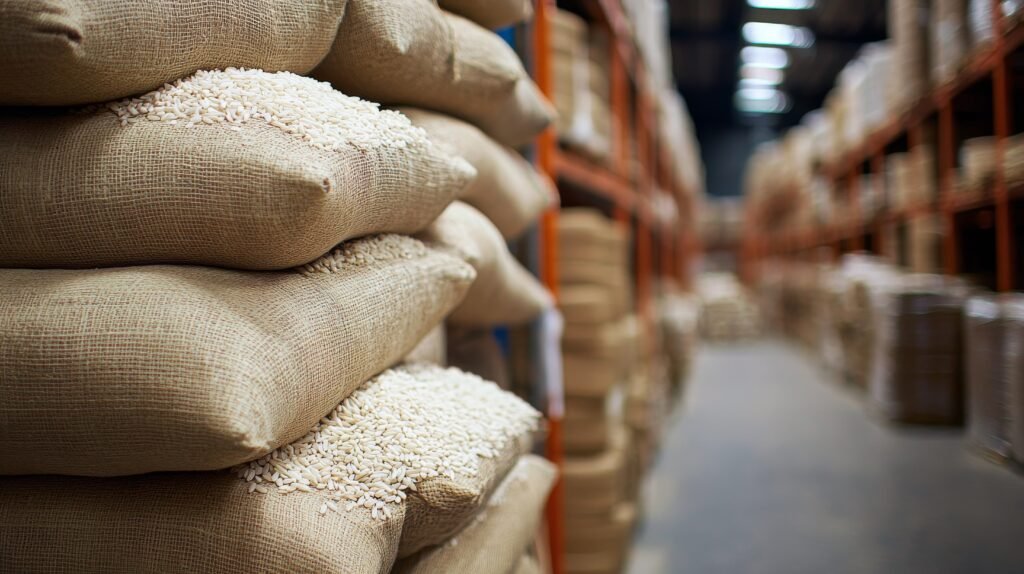
Packaging material is a quality control decision well as a branding decision. Basmati rice is sensitive to moisture absorption and pest exposure during sea transit especially on routes that cross humid regions or have long transit times.
Woven PP bags with liners give a reasonable balance of cost and moisture protection for bulk shipments. Multi‑layer laminated bags give barrier protection, which is more important, for retail‑ready packaging that may stay in distribution warehouses for weeks before reaching shelves.
Buyers who want to keep costs on short transit routes can usually use standard woven PP packaging. Buyers who ship to high‑humidity markets or plan to store the product for a time before sale should ask for laminated or multi‑layer options even if the unit cost is higher. Moisture damage at the destination costs more to fix than a small extra spend on packaging now.
What Role Does MOQ Play in Private-Label Packaging Decisions?
Minimum order quantity or MOQ is different for custom private‑label packaging than for bulk sacks. Custom printed bags usually need a MOQ because the printing plates, film rolls or cylinder setups used in packaging production have fixed costs that only pay off when the order is large.
Importers who are testing a new market or launching a private‑label line for the first time should ask their supplier directly about:
• Minimum order quantity per SKU (not just per order)
• Lead time differences between standard and custom packaging
• Whether smaller trial runs are available before committing to a full production order
A basmati rice manufacturer who can change packaging easily can often take smaller private‑label trial orders. This lowers the risk for buyers who are entering a market or testing retail demand before making a bigger commitment.
How Does GCDN Rice Support Private-Label Packaging Requirements?
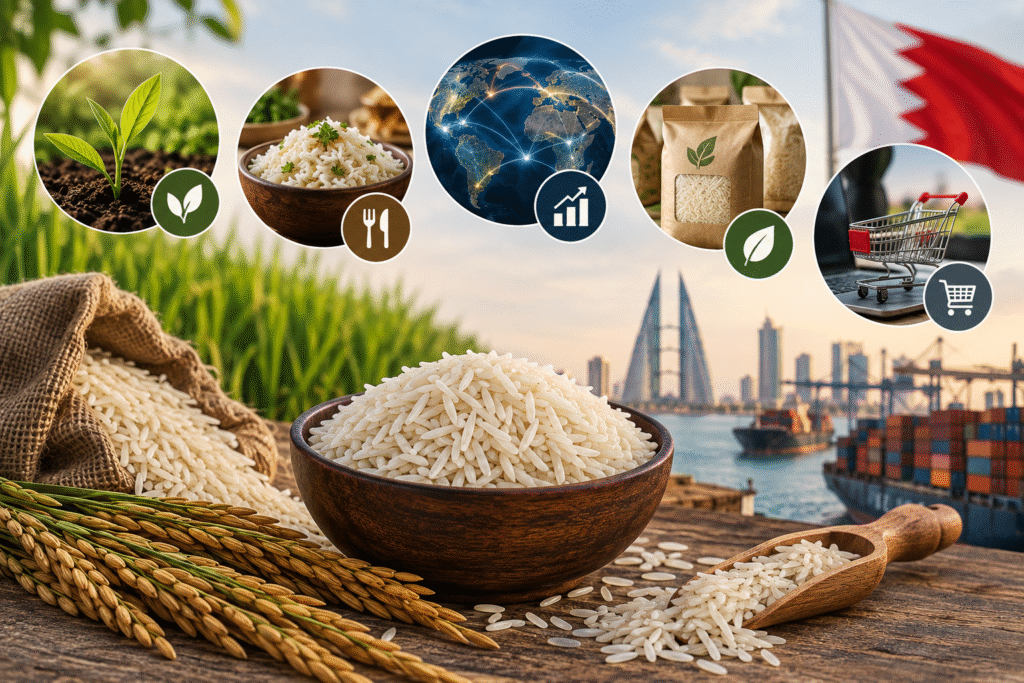
GCDN Rice, an India‑based basmati rice manufacturer and exporter partners with private‑label buyers to match packaging specifications. Bag material, weight format and labeling details. With the requirements of each destination market before production starts. For importers who manage their brand compliance confirming these details early cuts the risk of delays when production is underway.
What This Means for Your Next Private-Label Rice Order
Packaging decisions weigh more in a private‑label rice order than many importers first imagine. Bag material changes the shelf life during transit. Label compliance decides whether a shipment can be legally sold when it arrives. MOQ shows how risk a buyer takes when entering a new market.
Before confirming your order review packaging specifications, with the same care that you give to grain quality. A supplier who asks packaging questions right away. Instead of defaulting to standard specifications. Signals the production discipline that stops costly surprises later.