
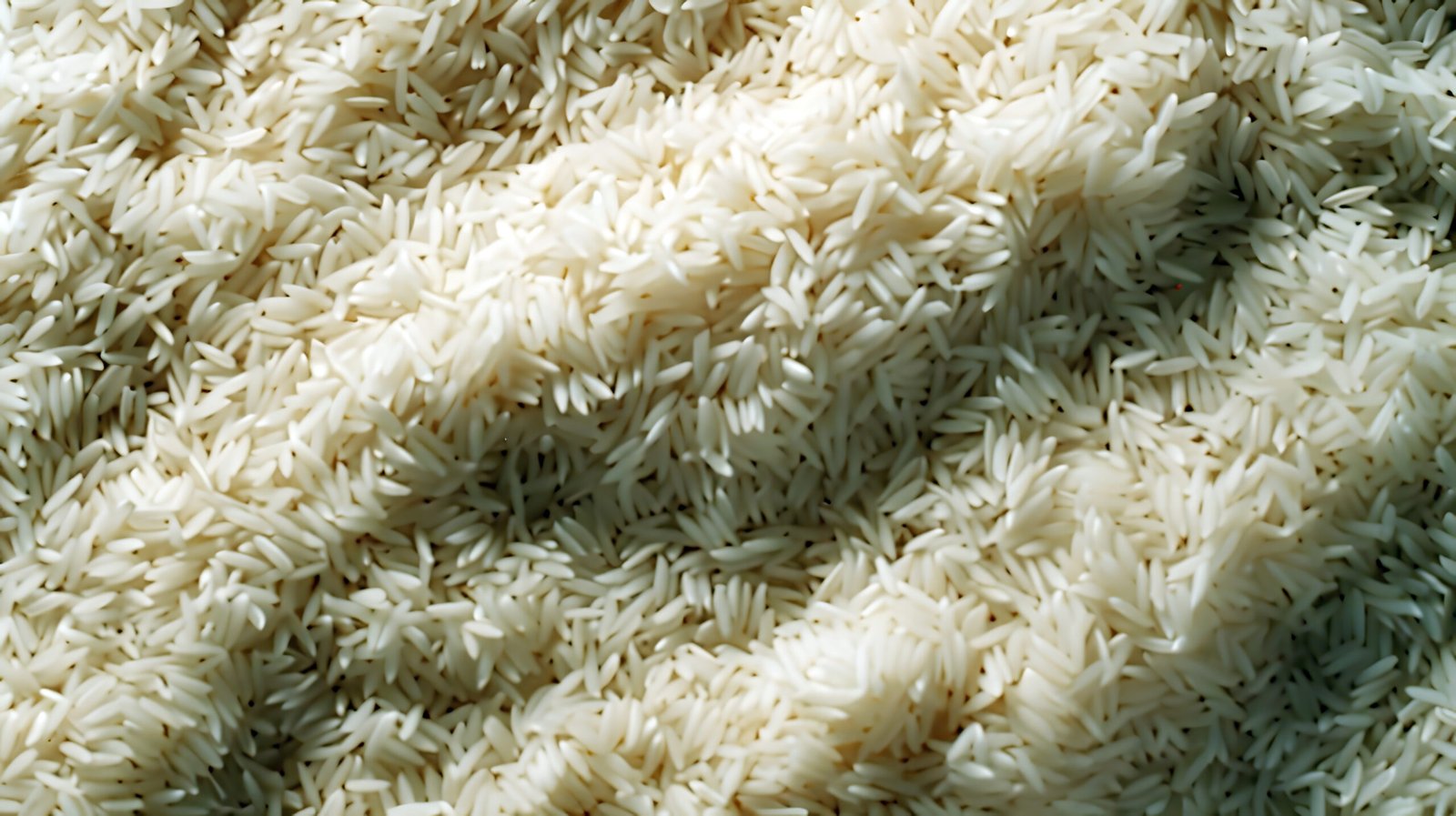
Basmati rice exports accounted for 6.52 million metric tons or US$ 5.67 billion for India during the period 2025-26, according to APEDA. The major importers were: Saudi Arabia (16.6%), Iran (13.9%), Iraq (11.2%), UAE (8.2%), Yemen (5.7%), and the US (5.0%). Strong demand also exists from Kuwait, the UK, Qatar, Turkey, Egypt, Bahrain, and Oman.
Among the various agricultural commodities traded all over the globe, Indian Basmati rice has created a unique niche. The reason is its long and slender grains and its aroma. More importantly, basmati rice has a penchant to retain the cooking qualities even in a different cuisine, and this has given it a wide acceptance in several countries. No other rice has such a wide market command at such a high price. It also has a high level of cultural affinity.
The APEDA data for 2025–26 seriously proves this. India exported 6.52 million metric tons of Basmati rice during 2025-26 at a value of US$ 5.67 billion. This data is a testimony to India’s sustained quality in its exports, favorable bilateral trade, and the proven position of basmati rice in over hundreds of thousands of kitchens across the globe, from Riyadh to London.
Understanding the countries that have ongoing demand, or the largest demand for importing Basmati rice, helps determine the price of each shipment, how much will be available to import, and market preferential positioning. Below we take you through this with each of the countries.
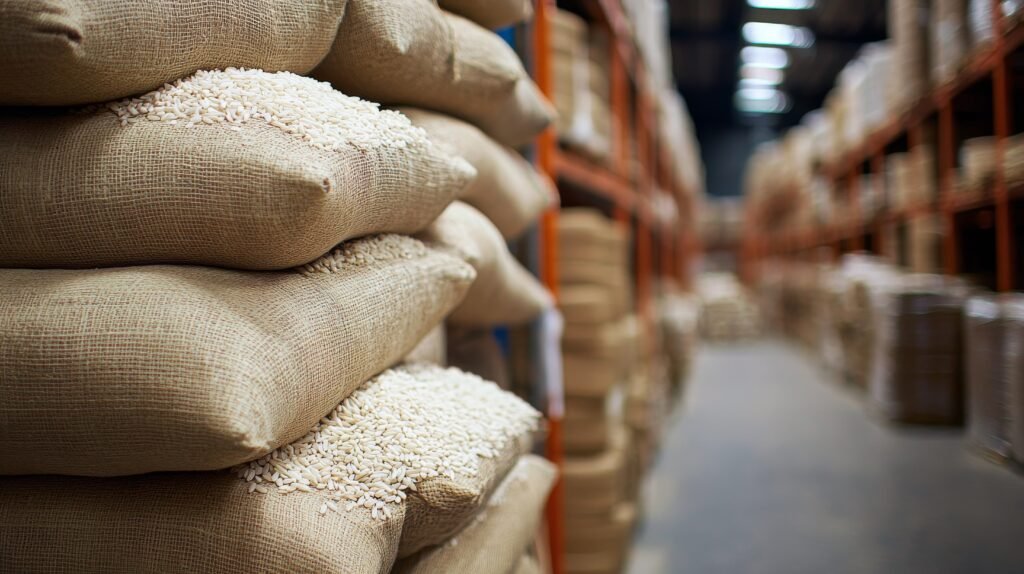
Why Does Indian Basmati Rice Dominate Global Markets?
Before we discuss import destinations, know that there are almost a thousand imported varieties of rice that are called Basmati, so what is special about these varieties?
Basmati rice comes from the Indo-Gangetic Plains, particularly Haryana, Punjab, Uttar Pradesh, and Uttarakhand. The combination of soil, climate, and water in this region creates a unique and irreplaceable character in the grains.
Key reasons for global demand include:
- Grain length and elongation: Premium varieties like 1121 and 1509 can elongate to over twice their original length after cooking
- Natural aroma: Basmati contains 2-acetyl-1-pyrroline, a compound that gives it its distinctive fragrance
- Non-sticky texture: Grains remain separate after cooking, which is essential for dishes like biryani, pilaf, and mandi
- Versatility: Suitable for everyday cooking as well as premium culinary applications
These unique qualities have created loyal customers for these rice varieties across every continent. These are the main regions of import demand.
Saudi Arabia — The Largest Importer of Indian Basmati Rice
Saudi Arabia accounts for 16.6% of India’s total basmati rice exports (APEDA, 2025–26), making it the single largest importing country by volume. The demand is deeply cultural. Basmati rice is the base for kabsa and mandi—national dishes consumed daily across households and restaurants throughout the Kingdom.
Saudi Arabia prefers long grain basmati rice, especially the 1121 and 1509 varieties. Both varieties offer thetexcrication and aroma that Saudi consumers associate with quality. Rising disposable incomes, a large South Asian expatriate population, and a strong food retail infrastructure have kept import volumes high and growing.
For bulk basmati rice suppliers, Saudi Arabia is the most stable and high-volume destination in the Middle East. View GCDN’s basmati rice export offerings to Saudi Arabia.
Iran — A Long-Standing Trade Partner
Iran accounts for 13.9% of Indian basmati exports by value (APEDA, 2025–26) and has been one of India’s most consistent import partners for many years. International sanctions have disrupted trade, but Iran has consistently imported Indian basmati rice to complement its domestic production.
Iranian consumers prefer specific varieties, especially traditional and aromatic long grain basmati rice. Chelow and polo, Persian rice dishes, require grains with specific cooking attributes, and Indian basmati rice consistently delivers these. The trade relationship with India and Iran extends before modern export structures, which is testament to Indian basmati’s presence in Iranian cuisine.
Iraq – Rising Demand for Long Grain Basmati Rice
In 2025-26, Iraq represents 11.2% of India’s exported basmati rice. Due to the inadequacy of water for agriculture in Iraq, basmati rice imports are projected to increase.
In Iraqi cuisine, basmati rice is essential and there are numerous variations of dishes that rely on the rice’s texture. Basmati rice is used in the preparation of several Iraqi dishes. Long grain basmati rice varieties of 1121 and 1401 are very suitable for such dishes. As Iraq continues to reconstruct its food supply system, an increase of basmati rice imports from India is expected.
The United Arab Emirates – A Strategy Based Re-Export Hub
The share of the import of Indian basmati rice by the UAE for 2025–2026 is 8.2 percent, however, the UAE has a more detailed function in international basmati trade. Indian basmati rice, after being re-packed in Dubai and Abu Dhabi, is shipped to various regions of Africa, Europe, and other parts of the Middle East.
The domestic demand for Indian rice is sustained by the sizeable South Asian diaspora residing in the UAE. The UAE’s Free Trade Zones have well established ports, and their customs policies facilitate shipments to various downstream markets.
Yemen – A new but Important Market
Yemen takes up 5.7% of India’s basmati rice exports (APEDA, 2025-26). Though Yemen still has ongoing humanitarian challenges, rice is still a major staple of the Yemeni diet. This gives Indian basmati rice trading channels to operate. Yemen’s reliance on food imports has made it a consistent albeit tricky market for bulk basmati rice trading.
The United States – The West Coast of Basmati Rice
At 5.0% of total basmati rice exports (APEDA, 2025-26), the United States is the next major market for Indian basmati rice, and it is growing. The large South Asian American community estimated at 5 million people ensures consistent retail demand. Beyond the community, the U.S. consumer has a preference toward Basmati Rice for its health benefits and versatility.
Indian basmati rice also has to import and comply with strict FDA food safety standards, one of which is pesticide residue limits. This has pushed Indian exporters to supply the US basmati rice market to consistently exceed standards. This has improved the quality of the supply chain as a whole.
Other Notable Importing Countries
Several additional markets contribute meaningfully to India’s overall basmati export volumes:
- Kuwait: Strong per-capita consumption driven by culinary tradition and a large expatriate workforce. Learn more about basmati exports to Kuwait.
- United Kingdom: Home to one of the largest South Asian communities outside Asia; basmati rice is a mainstream grocery staple in British supermarkets. Explore basmati exports to the UK.
- Qatar: Rising food import demand linked to urban growth and a large migrant workforce. View basmati exports to Qatar.
- Turkey: A growing market with strong culinary interest in Indian rice varieties, particularly for retail and food service. Explore basmati exports to Turkey.
- Egypt: One of the largest rice-consuming nations in Africa, with established import relationships with Indian exporters. Learn about basmati exports to Egypt.
- Bahrain and Oman: Smaller but consistent Gulf markets where basmati rice is a household staple. See export destinations for Bahrain and Oman.
What This Means for Buyers and Importers
From the distribution of Indian basmati rice imports, a few trends can be identified. Most importantly, demand is widespread. Middle Eastern countries buy the most (particularly culturally related to their food), but the West is catching up (likely due to diaspora communities and overall interest). Finally, the African and Central Asian regions are the next markets to be explored.
When considering suppliers of bulk basmati rice, three factors are most important to consider: the variety to be sourced, meeting the destination market’s food safety requirements, and the reliability of the exporter.

For 70 years, GCDN Rice has built experience in the selection of high-quality basmati rice varieties and international trade of basmati rice from Delhi. GCDN Rice is a trusted supplier of basmati rice varieties (1121, 1509, 1401, 1718, Pusa and Traditional Basmati) in raw form as well as steam, white sella, and golden sella forms to buyers in the Gulf, Europe, and beyond. For those seeking Indian basmati rice suppliers for bulk purchases, contact the GCDN Rice export team for more info about specific varieties and basmati rice supply at competitive prices.