
Why Turkey Is Buying More Indian Basmati Than Ever
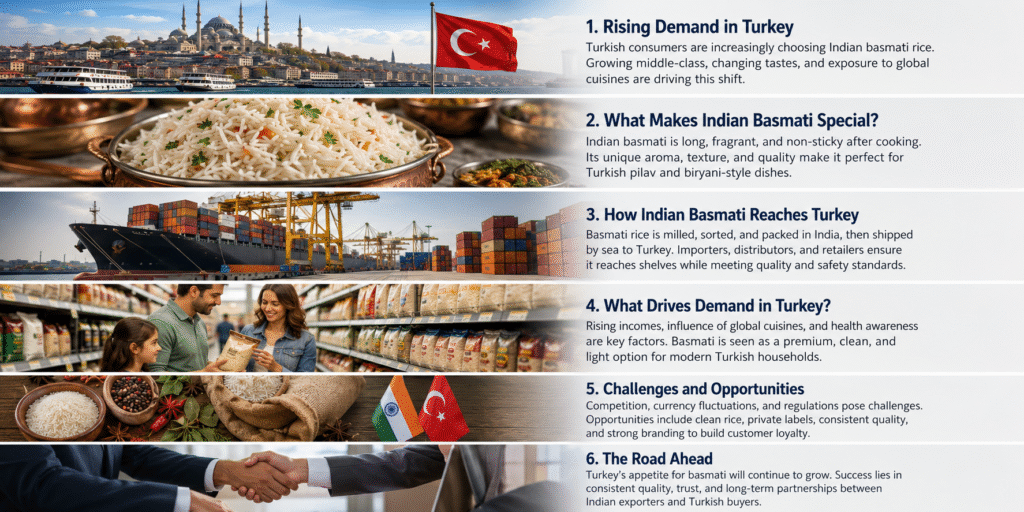
Turkish demand for Indian basmati rice is rising on account of the growing middle-class, exposure to South Asian and Middle Eastern cuisines, and basmati rice’s excellent quality-to-price ratio. India, being the world’s largest basmati exporter, is in a particularly advantageous position to satisfy this increasing appetite, provided exporters can successfully manage tariffs, logistics, and competition.
If you were to walk into a supermarket in Istanbul today, bags of long-grain Indian basmati would, unlike a decade ago, be sitting on a shelf next to the more familiar Baldo and Osmancık rice. This small change actually reflects a major trend. Turkish kitchens, who have long favored short and medium grain local rice varieties, are now making space for a far reaching fragrant rice.
While a change in supermarket shelf space is significant to basmati importers and retailers, Turkish home cooks now have the chance to appreciate how basmati changes pilav from the version their grandmothers made, light and fragrant, to a dish that is even more appealing. Knowing the reasons behind and understanding the data of this shift can provide serious profit for anyone engaged in the India-Turkey rice trade.
This post provides the numbers, the reasons, and potential value in Turkey’s growing appetite for Indian basmati.
What does the current rice import market situation for Turkey look like?
Turkey relies on rice imports each year due to a gap between rice supply and demand. Historically, the rice that Turkey has imported has met the demand for the types of rice used in traditional recipes.
The preferences of Turkish consumers for rice imports has shifted away from traditional varieties and toward longer grain varieties. Imported rice varieties like basmati are long grain and considered premium rice varieties. A majority supply of basmati rice is produced in India, making India the primary source of imported rice for Turkish buyers looking for premium aromatic rice.
Turkey’s currency, the lira, losing value against other currencies prompted buyers to become more price conscious. The price of basmati rice stayed the same. Consumers began purchasing basmati rice for daily use instead of as a luxury item for infrequent special occasions.
What is special about Indian basmati rice compared to all other rice?
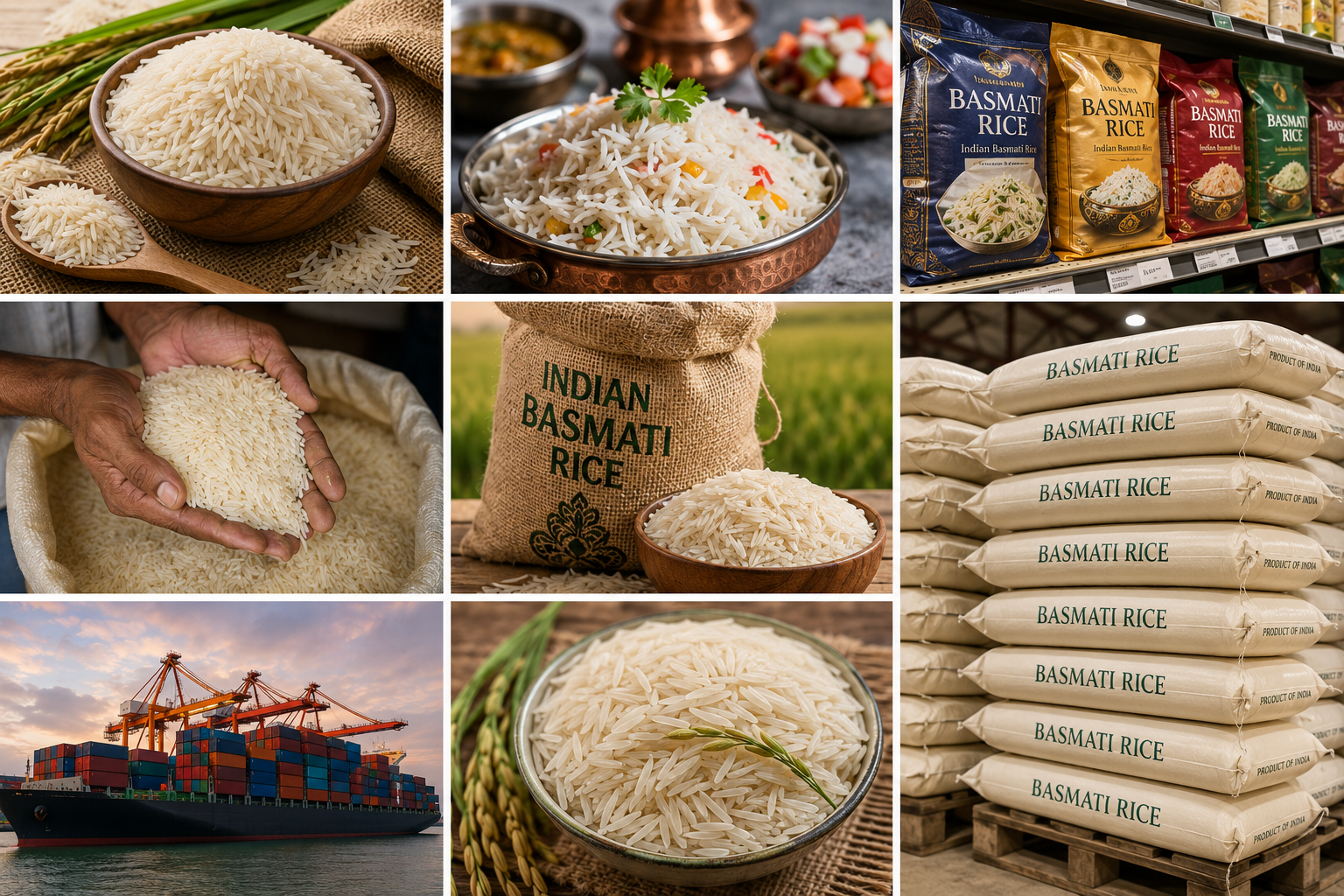
Basmati rice is commonly considered to be long grain rice; however, this is a misleading label. The grains of cooked basmati rice elongate, do not stick, and emit a pleasant aroma. The aroma of basmati rice is due to the presence of a compound, 2-acetyl-1-pyrroline, that is also responsible for the aroma of the rice. Basmati rice, which is grown in the foothills of the Himalayas, has unique growing conditions that are hard to replicate.
These traits are convenient for Turkish cooks. One of Turkey’s staple foods, Pilav, requires grains that are fluffy and separate. Basmati rice checks both of those boxes with ease. The rice also works with the biryani-style dishes that have gained popularity through the restaurants and the movements of people.
This has love story of a price tag too. Basmati Rice costs more than regular Turkish rice, but less than some of the European premium brands. That middle position is great for people that are looking to step their shopping style up. If you want grains that separate and it bothers you to spend a little more money than go with basmati, but if you want to stick to more traditional Turkish rice go with Baldo.
How does Indian basmati reach Turkish shelves?
India can easily meet Turkey’s demand for Basmati Rice. They ship a couple million tons of it every year with a working milling, sorting, and packing system. The four main export grades, 1121, 1509, 1401, and 1718, allow buyers to choose at varying prices and grain lengths.
Though the logistics may not be automatic, the system works. Rice gets shipped from Indian ports to entry points of Turkey by sea. The price is affected by the time it takes to ship it, as well as the freight and available containers. If exporters manage to keep their supply steady and consistent they will earn repeat business.
Trade rules provide yet another layer. While import duties, quotas, and checks for food safety, including pesticide-residue limits in accordance with Turkish and EU standards, create obstacles for suppliers, pesticide-residue-free rice clears inspections with less hassle, putting concerned potential buyers at ease. The final step of the process is completed by the distributors and retailers, who determine the pricing, branding, and shelf-placement of basmati.
What accounts for the demand for basmati among the customers in Turkey?
There are three primary factors behind the increased demand.
The first relates to finance. There has been an increase both in the size and spending capacity of the urban middle class in Turkey. Basmati fits this segment well.
The second factor is culture. International food has permeated Turkish streets and screens. Thousands of cooking shows, YouTube channels, recipes, and a plethora of Indian and Middle Eastern diaspora restaurants, all suggest that particular foods are enhanced by specific varieties of rice. When the camera shows a favorite chef using basmati, so does the customer.
The final factor relates to the health perception of consumers. Basmati is perceived as a “clean” and “light” grain in comparison to other white rice varieties. The health conscious customer will buy basmati, and brown basmati will appeal to the entire grain shopper. In the end, what really matters to consumers is that they perceive a variety as healthy, and if a claim is not substantiated by laboratory tests, that perception is reality to the consumer.
What are the challenges and the opportunities?
Rice is not perfect, but we cannot help noticing some of the challenges competitors create. Some regions produce their own premium long-grain rice. The aromatic rice sector has its competitive problems. There are rice buyers who are affected by market uncertainty due to fluctuations in currency exchange and unpredictable crop yields. There are also occasional disruptions in shipping caused by obstacles that stem from regulation, especially regarding pesticide residue and labeling.
There are also opportunities. A few opportunities are more clear:
- Guaranteed clean rice. Pesticide free basmati will help build trust and help the rice clear customs.
- Private label partnerships. Gaining the basmati supply to help retailers build their own brands will help build the supply.
- Brand consistency. Buyers will recognize and reward exporters who provide aromatic rice and a consistent, high quality product.
- Focused customer loyalty. To help customers recognize the rice is unique and justify the price, you can include stories about the rice and help customers with cooking tips and basmati rice recipes.
To the Turkish market, treating basmati as a long-term relationship is the best way to grow alongside the market.

Where the India-Turkey basmati trade is headed?
The interest in basmati reflected in Turkey’s imports demonstrates a country with greater income and a more discerning palate. The basmati trade is supported by the quality of the product, a market with purchasing power, and supplying country with the means to deliver large quantities.
Importers, retailers, and exporters should consider consistent quality and an ability to meet Turkey’s food safety expectations. Branding and nurturing first-order customer relationships are crucial aspects of gaining market share. Buyers are present. The supply is present. The only thing lacking is the ability to execute.
If you are sourcing premium Indian basmati rice from a supplier to fulfil orders in the Turkish market, the best way to establish a reliable source of that supply from India is to engage a reliable vendor that understands the product and the import/export regulatory environment.