

Importing basmati rice from India means verifying the exporter, obtaining the required certificates, and confirming HS Code, phytosanitary requirements, and duties in the country of destination. It is also important to agree on the terms of packaging and shipment. The process should start before the harvest. Working with a premium exporter, who in addition to good basmati rice exporting services, has his own mills and does grading and documentation, in house, ensures that delays are minimized and the quality of the rice is preserved from the farm to the port.
Basmati rice is exported from India to the Gulf, Europe and other parts of the world. It may appear to the importer or distributor that sourcing it is a simple task, until incorrect grain length and unexpected shipment delays, or missing paperwork affect their supply. Importing basmati rice requires understanding the basics of exporting and importing basmati rice as well as differentiating a dependable supplier from an unreliable one.
This guide is directed at importers, distributors and private label rice brands who wish to import basmati rice from India. It provides a comprehensive overview of the basics of importing basmati rice, the varieties of basmati rice, supplier evaluation and risks associated with the export of basmati rice from India.
How Does Importing Basmati Rice Work?
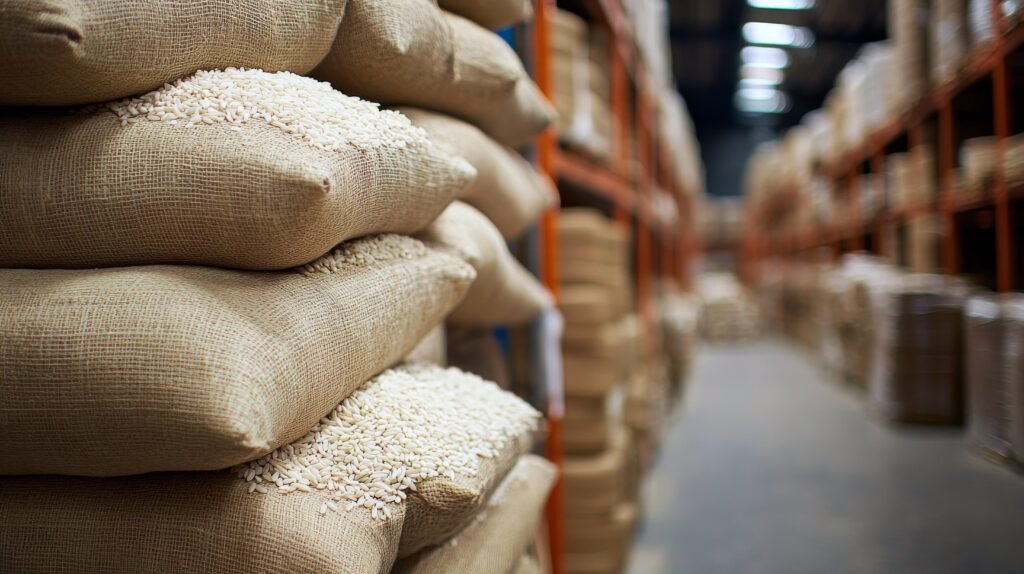
Importing basmati rice is complex, requiring the management of many suppliers and service providers across the supply chain. The rice buyer selects the rice variety and grade and agrees on the packaging with the exporter, and makes arrangements for shipping using internationally accepted terms such as FOB or CIF. The exporter performs activities such as milling, sorting and inspection, and prepares the export documents. The importer clears the cargo through customs and pays the duty. He/She is responsible for distributing the rice in the market.
This is the general flow of events:
- Variety and grade selection, based on grain length, aroma and intended use (retail, foodservice or private label)
- Sample approval, where the buyer tests cooking quality, aroma and grain consistency
- Contract and pricing agreement, specifying Incoterms, packaging format and delivery timeline
- Production and quality inspection at the exporter’s facility
- Export documentation and customs clearance
- Shipping and port handling, followed by last-mile distribution
Each of the steps is dependent on the ones preceding it. A sample approval delay could affect the window for the whole shipment, which is a key consideration for buyers dealing with seasonal demand or retail planograms.
Important Documents and Compliance Requirements for Rice Imports
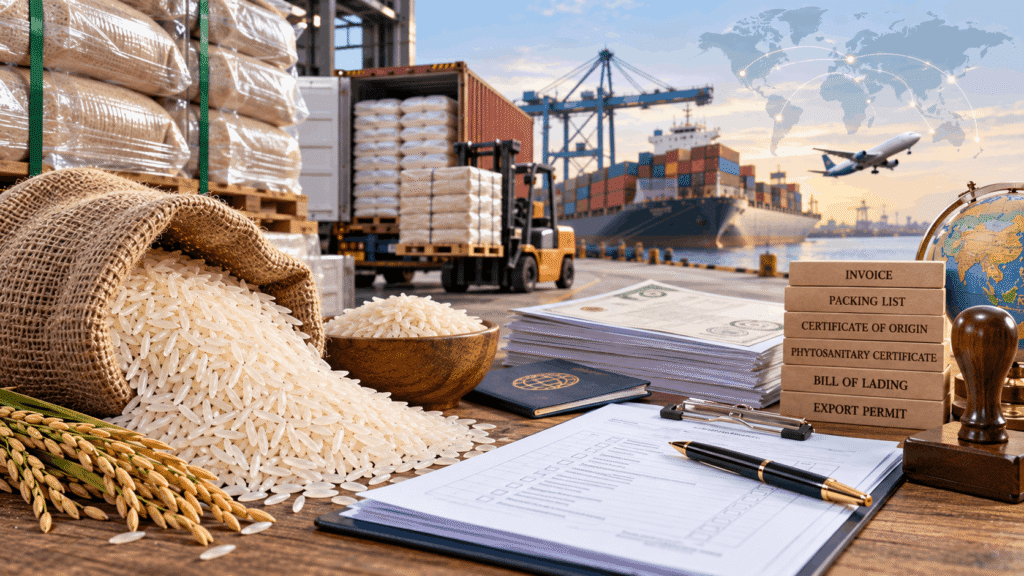
Rice is a regulated foodstuff and most importing countries stipulate particular documents prior to releasing an import shipment. Each buyer should check with their local customs office, however the following are standard to most imports of Basmati rice.
- Commercial invoice and packing list — detailing quantity, variety, grade and agreed price
- Bill of lading — issued by the shipping line as proof of shipment
- Certificate of origin — confirming the rice was grown and processed in India
- Phytosanitary certificate — issued by Indian plant quarantine authorities, confirming the shipment is free from regulated pests
- Fumigation certificate — where required by the destination country
- Quality and weight certification — sometimes issued by an independent inspection agency at the buyer’s request
Countries in the EU and Gulf have stringent requirements on pesticide residue limits and labeling. Buyers importing to these countries should check the current limits and requirements with their local food safety authority, and request the exporter to conduct tests and reports prior to shipment and not after shipment arrival.
How to Assess a Reputable Basmati Rice Supplier.
Not all Basmati rice exporters operate with the same consistency. Price should not be the only consideration when assessing a bulk Basmati rice supplier and the following should also be assessed.
The supplier should be able to mill and process the rice to the required standard and grade. If a supplier relies on a third party for the processing of the rice, then variation is possible and consistency cannot be guaranteed.
Consistency from sample to shipment. Consistent quality assurance leads to consistency of product across a bulk shipment. Grain length, moisture, and broken grain variations signal insufficient quality control.
Flexible packaging. Packaging for bulk export and packaging for retail require substantial differences. For a supplier to offer private labeling in non-woven, jute, BOPP, pouch and PP formats gives distributors and retailers greater flexibility in building their brand.
Familiarity with documents. A supplier acquainted with the documents required for your destination market will speed up the customs process. Learn which certificates they issue routinely vs. which ones require additional time.
Experience with your target market. Established shipping relations with the UK, Saudi Arabia, Qatar, Turkey, Kuwait, Bahrain, Oman and/or Egypt gives exporters greater knowhow with regional regulations and documentation, lessening the likelihood of port delays.
Understanding Basmati Rice Varieties and Quality Grades
There are a number of varieties of basmati rice produced around the world. The main ones traded in the global basmati market are:
- 1121 Basmati – a rice variety that is popular in both retail and food service segments due to long grains and strong elongation post cooking.
- 1509 Basmati – as compared to 1121 Basmati, 1509 has a shorter duration of crop and therefore cheaper to produce.
- 1401 Basmati – a rice variety that is favored for its long grains and consistent cooking behavior.
- 1718 Basmati – a new rice variety that is popular for its long grains and high yield.
- Pusa Basmati – a traditional variety that is favored by buyers seeking a classic traditional basmati flavor.
- Traditional Basmati – this type is grown using traditional cultivation methods and favored by buyers seeking a classic traditional flavor.
Apart from variety, quality grade is also an important factor. Quality is determined by the length of grain, percentage of broken grains, moisture content and how old the rice is. After harvesting, rice is usually aged. This improves the aroma of the rice and also makes it less sticky when cooked. Buyers are advised to also look at the quality grade when buying basmati rice.
Residue of pesticides is also a factor that is increasingly being looked at by buyers. Supermarkets as well as private label rice sellers that sell into regulated markets are particular about pesticide residue levels. Exporters of pesticide residue free rice can help ease the compliance burden for such buyers.
India’s Basmati Rice Exports
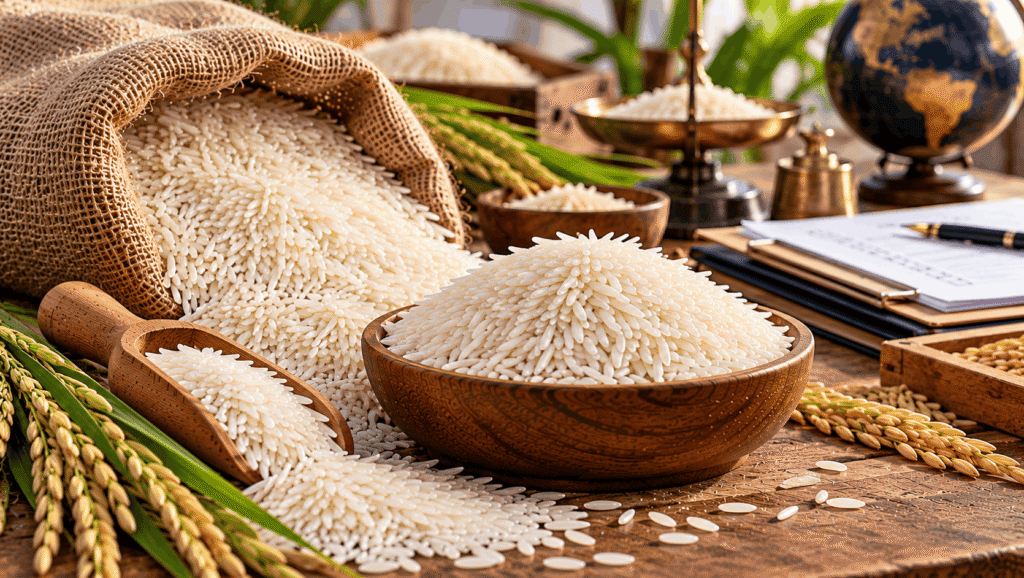
Basmati rice is mainly produced in the Indo-Gangetic plains, which includes parts of Punjab, Haryana, Uttarakhand, and Uttar Pradesh, and Delhi. Export of the rice is mainly through the Gulf, UK, EU, Turkey and Africa. India dominates the world basmati rice market.
Most of the traders in Delhi’s grain trading districts have a long tradition in rice trading. The district has good rice mills and packaging facilities. Traders who have both the trading experience and the milling and packaging experience are preferred by the buyers. This is because long-term trade relationships give the buyers priority in difficult rice supply situations.
Working with an Established Indian Rice Exporter
If a buyer is looking to buy basmati rice repeatedly rather than just once, an established exporter will be of more help than a new exporter. Established exporters understand how to mitigate variability between different rice seasons and ensure consistent grading. They also update documentation to comply with regulations of different import markets.
GCDN Rice, founded in 1952 in Delhi’s Naya Bazaar and now one of India’s largest rice traders, manufacturers and exporters, is yet another example of a supplier built on this continuity. It embraces decades of grain trading and has in-house milling, grading and private-labelling capabilities. While appraising suppliers, the relevant question for buyers is not about brand recognition, but about the operational fit: do the supplier’s varieties, packaging and documentation match requirements of the destination market?
Building a Dependable Basmati Supply Chain
Unlike other rice imports, basmati rice imports from India are organized and structured, and not a gamble. Confirming the documentation requirement and sample testing prior to bulk purchase and engaging a supplier who has capability to consistently process and package rice in a prescribed standard, largely helps avert delays in the distribution and retail chain.
The decisions made at the sourcing stage will eventually determine the quality of rice on the shelf, hence it is wise to view the supplier evaluation as a long-term decision rather than a one-off purchase. Buyers who are willing to evaluate suppliers further, can review and compare documentation, packaging formats, and sample tests directly with exporters prior to first purchase.