

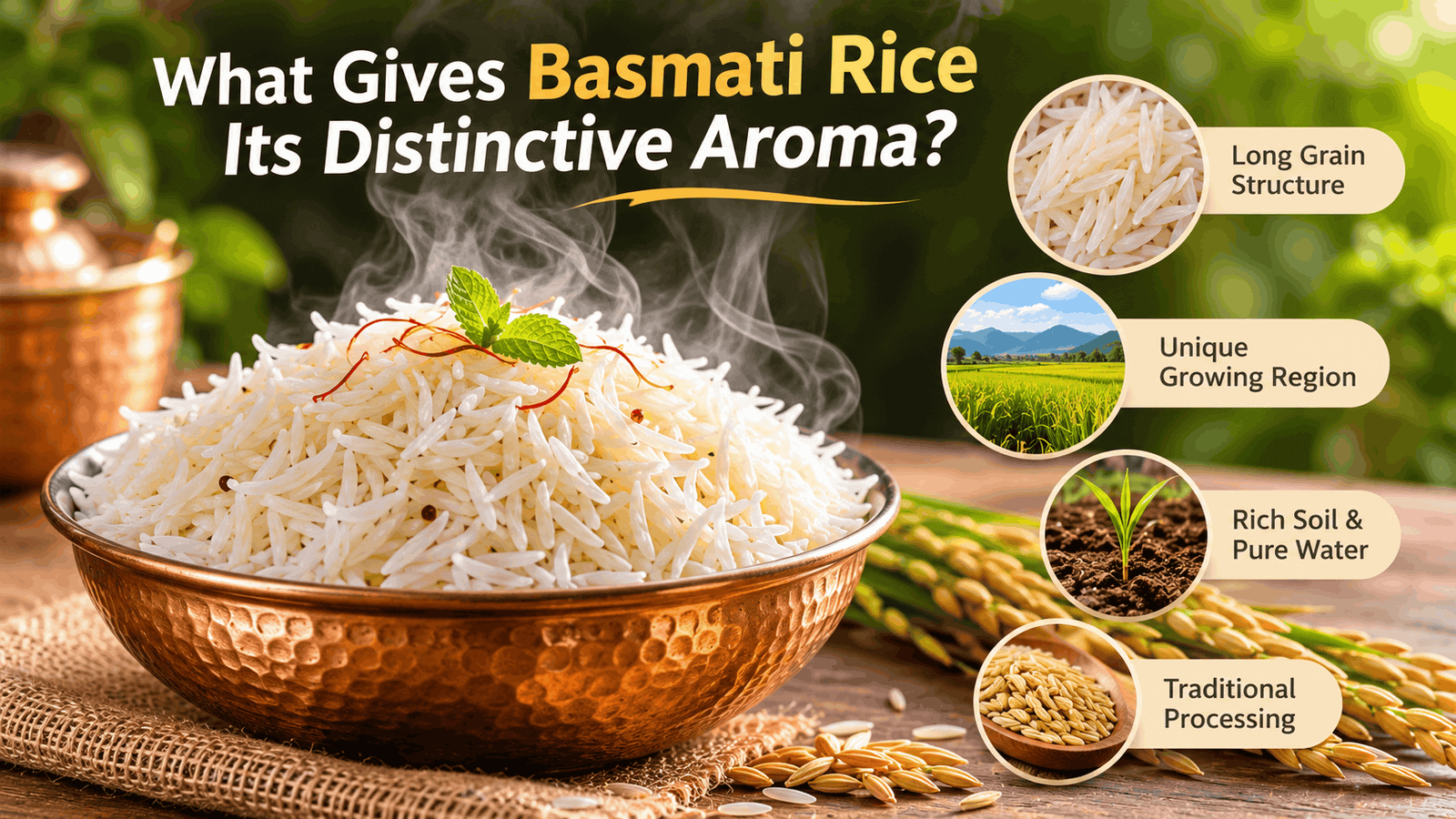
Basmati Rice has a higher concentration of 2-acetyl-1-pyrroline (2AP) in the endosperm when compared to other kinds of long grained rice. Soil, climate, age and processing affect how much 2AP is retained from the paddy to the plate. Basmati rice naturally contains this aroma.
No one knows the importance of the aroma of basmati rice better than chefs, importers and home cooks. Long before the grain is cooked, the fragrance signifies the origin and quality of the rice. International bulk rice buyers have come to appreciate the importance of aroma in defining the quality of basmati rice, along with factors like the length of the grain and the yield.
What gives basmati rice its distinctive aroma?
2AP is the primary aromatic compound that is responsible for the fragrance of basmati rice. As the grain cooks, it takes on a popcorn-like or nutty aroma.
Basmati rice produces 2AP naturally at levels far greater than most non-aromatic rice varieties. This is an inherent trait present in specific basmati cultivars (e.g. 1121, 1509, 1401, 1718, and Pusa Basmati, etc.). The trait is expressed differently in the various basmati rice genotypes; some are longer, some are heavier, some are more aromatic than others. However, the inherent chemistry is the same.
There are also environmental conditions that play a role in the aroma and flavor development of basmati rice. Basmati grown in the foothills of the Himalayas and the alluvial plains of Punjab, Haryana and parts of U.P., develop the characteristic aroma, flavors and taste under specific environmental conditions, such as type of soil (preferably, mineral-rich alluvial soil), sufficient temperature swing during the day and night (especially during flowering and early grain development stages), and adequate water from local sources (e.g. rivers and aquifers). If the same rice seed stock is grown outside this environmental condition, the aroma and flavor generally diminish. This is partially the reason basmati rice carries a Geographical Indication (GI) status in India; aroma and flavor are place-bound.
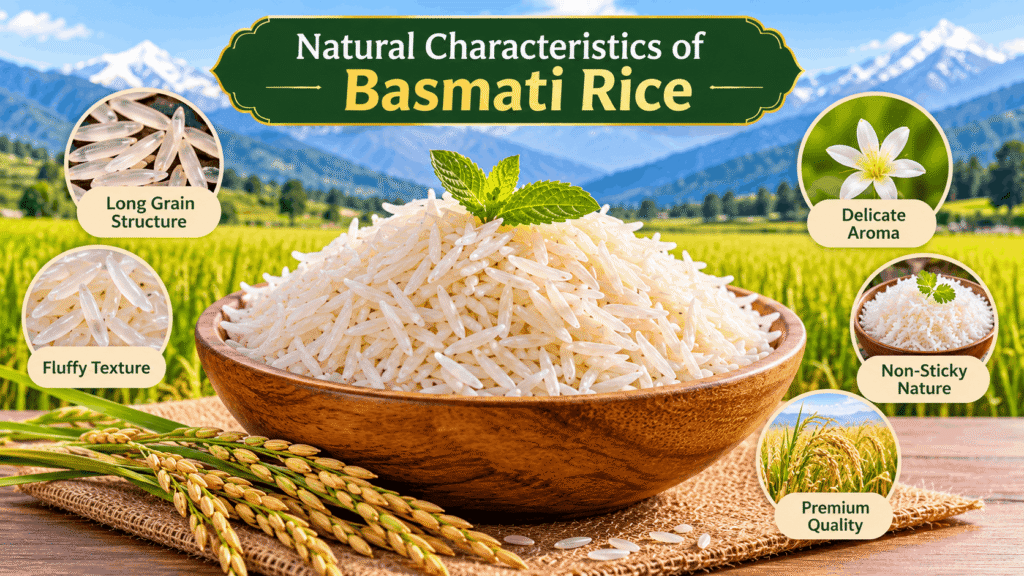
Natural characteristics of basmati rice
Beyond aroma, basmati rice has other distinguishing features. Buyers and distributors evaluating the quality of basmati rice look for a combination of traits.
Grain length and elongation. Basmati rice has very long and slender grains prior to cooking. Cooked grains typically elongate to at least twice their raw length. The grains of cooked basmati rice do not stick together, and do not swell to an enormous size.
Aging. Freshly harvested basmati rice is rarely sold immediately. Suppliers allow the grain to age for a period from a few months to over a year. Aging drives off moisture and firm up the grain. The starch also sets into a more stable structure. The grain elongates and the aroma intensifies during this process. The industry belief is that aged basmati is superior to unaged.
Low stickiness and fluffiness. Basmati rice, relative to other types of rice, has a lower amylopectin-to-amylose ratio. As a result, when cooked the grains of basmati rice do not stick together and do not get mushy like some other rice varieties. This is a desirable trait in rice used to prepare biryani or pulao.
Texture and translucency. High-quality basmati grains are uniform in color, translucent, and do not have chalkiness before they are milled and polished.
These characteristics are what make basmati rice what it is and what gives it an edge over other types of rice.
Aging and Storage: As discussed, paddy or milled rice is often stored for months before sale. Storage conditions (e.g. temperature and humidity) and the presence of pests can speed up or slow down the process by which the natural aroma and texture of rice is improved. Poor storage can undo the benefits of aging.
Milling and Polishing: The milling and polishing of rice removes the outer layers of the grain to produce white or brown basmati rice. Excessive polishing of rice can remove a substantial part of the grain which can negatively affect aroma and flavor.
Sorting and grading: Sorting and grading removes broken grains or discoloration and separates the grains based on length and quality. Contracts for the export of rice specify requirements for grain length and the maximum percentage of broken grains.
Packaging: For rice to retain its aroma and flavor it must be packaged in a way that prevents the grains from being exposed to moisture. Packaging materials can be jute or non-woven polypropylene/BOPP bags.
All the stages described can help maintain the quality of rice or negatively affect it. Suppliers are often asked by buyers detailed questions about aging, the level of moisture in the rice, and milling specifications to give an idea of whether the rice that will be shipped is the same as the sample shipped.
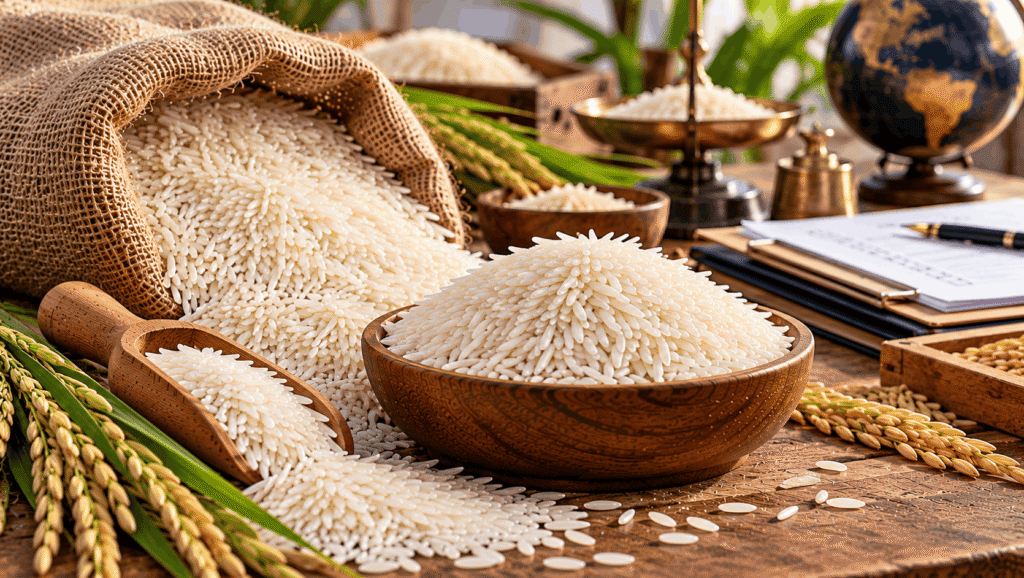
What international buyers should consider when sourcing Basmati Rice
For importers, distributors and retailers of Basmati rice as well as buyers in the hospitality industry, deciding on a supplier of Basmati rice is more involved than comparing prices on a metric ton basis. The following factors consistently weigh in a decision:
Variety and specification of grain
It is important for buyers to confirm which Basmati variety is supplied, be it the 1121, 1509, 1401, 1718, Pusa or a traditional variety. Grain length, the intensity of the aroma, and the respective prices vary with each variety. Other specifications such as moisture content and the percentage of broken grains also vary with different varieties.
Aging Period
Basmati rice begins to lose its aroma after it is harvested and before it is milled. For premium retail and hospitality contracts, buyers usually require assurance and/or documentation of the aging period.
Pesticide Residue
Buyers need to ensure that the testing done by the suppliers conform to the requirements of the importing countries. In cases where the rice is to be shipped to the EU, UK or the Gulf countries, the suppliers must test the rice for pesticide residues and ensure that levels are below the maximum residue limits established by the importing countries.
Private Label and Packaging
Food retailers and brands wishing to ship rice under their own label require suppliers capable of customized packaging. Along with consistent quality of rice grains, suppliers must also be able to package rice in the required formats across a series of shipments.
Supplier traceability
In addition to the assurance provided by the Geographical Indication (GI) status to Basmati rice, buyers are also concerned about the region of origin. As a result, a growing number of buyers require Basmati rice suppliers to provide evidence of traceability through the supply chain to reduce the risk of adulteration.
Consistency across shipments
One of the most critical aspects of a supplier is their ability to consistently deliver the same grain length, aroma and cooking behavior. This depends on consistent sourcing, processing standards and QC standards rather than a single good sample.
Basmati rice exports from India and the global market
India is the largest exporter of basmati rice and is the primary supplier to the Middle East, Europe, North America, and parts of Africa and Asia. The GI-recognized basmati growing region is the Indo-Gangetic plains of India (Punjab, Haryana, parts of Uttar Pradesh, Uttarakhand, Himachal Pradesh, Jammu, and Delhi) and India has a geographical advantage over other countries in this regard.
The growing trend of South Asian and Middle Eastern cuisines, as well as other international and fusion cuisines incorporating basmati or other aromatic, long-grain rice varieties, has boosted the demand for these rice varieties and expanded to new markets. Previously, the main markets for basmati rice have been the Gulf countries, the UK and the US (along with other parts of Europe). Demand for basmati rice in these markets has been for bulk purchases and for retail and/or private label packaging.
Basmati rice originates from India and there are numerous suppliers, grades and certifications available. For businesses looking to buy rice for retail or food service (bulk) from India, the size and scale of the industry provides options for varying prices, qualities and/or certifications of basmati rice. Ultimately, a buyer needs to focus on suppliers who provide consistent standards and processing rather than availability.
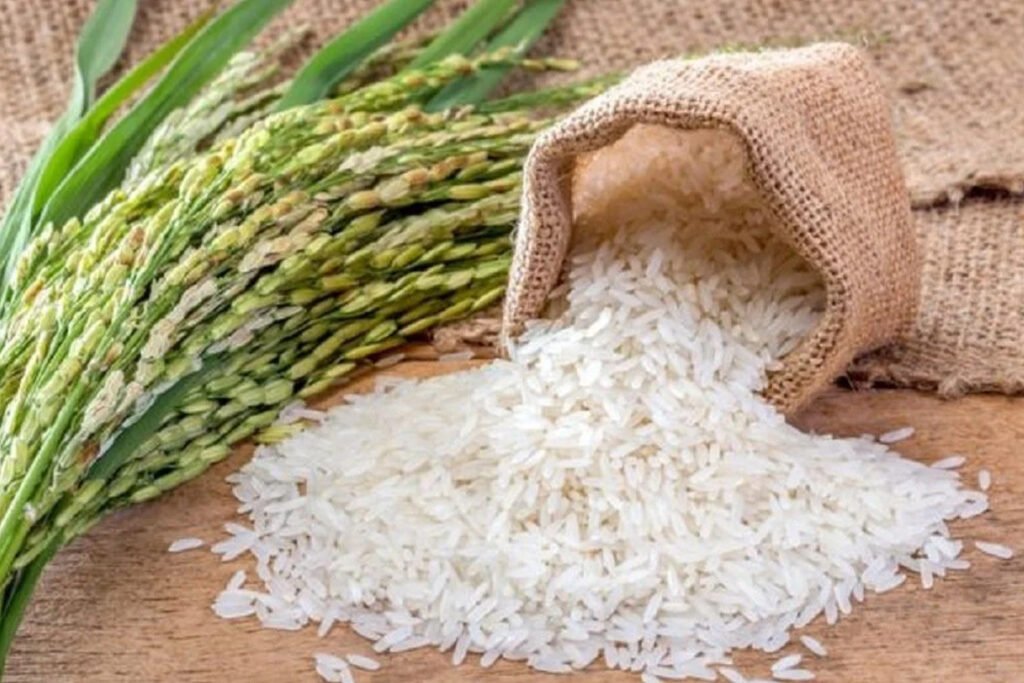
How GCDN Rice Fits Into the Basmati Supply Chain
GCDN Rice has its roots in Naya Bazaar, Delhi, where the family business began in 1952. Today, three generations later, it processes and exports Basmati, Non-Basmati and pesticide residue-free rice varieties from its plants in Delhi, including 1121, 1509, 1401, 1718, Pusa and Traditional Basmati types.
For Basmati rice buyers, a supplier with decades of continuous operation in the same trade has one practical advantage: relationships with processors and sourcing agents, which have been built over the years and are not constructed for a single order. GCDN Rice also offers private label Basmati rice, and provides packaging in jute, BOPP, non-woven, PP and clear PP, which is appropriate for retail and food brand clients who do not wish to invest in processing to make their own rice products.
Pick a supplier with processing control if you need consistency across repeated shipments, and pick a supplier with private label flexibility if your end goal is to build a brand presence in the retail or foodservice market.
A grain defined by what you can’t see – until you cook it
The fragrance of basmati is a product of many inputs: genetics, the soil and climate of the growing region, how it’s farmed and harvested, stored and transported. For rice buyers, these can combine to create significant risks during the sourcing and shipping process. If the basmati is improperly aged or excessively polished, the purchased qualities can quickly be lost.
By understanding these natural characteristics, international rice buyers get a more sophisticated set of questions to ask a basmati rice supplier. Basmati rice buyers also evaluate other characteristics, like the fragrance profile and aging, in addition to grain length and price, when assessing a potential rice supplier. Using these characteristics, businesses sourcing Indian Basmati rice for their retail, private label, or food service business can more effectively assess and request samples that truly meet their requirements.